Judd Research Collaborative

A remote clinical oncology research collaborative that connects students with faculty-led teams through structured mentorship, project coordination, and quality review.

JRC matches students into faculty-led cancer research teams and supports the work through structured mentorship, project coordination, and quality review. Participation is free. Students gain real research experience, authorship opportunities, and room to grow into leadership while faculty gain organized, mentored teams with less administrative burden.

Current student teams work with NIH-funded researchers at Harvard, Cornell, and Washington University in St. Louis.

Participation Free to join and fully remote
Team structure Faculty-led teams with layered mentorship
Project types Reviews, meta-analyses, and public-data clinical research

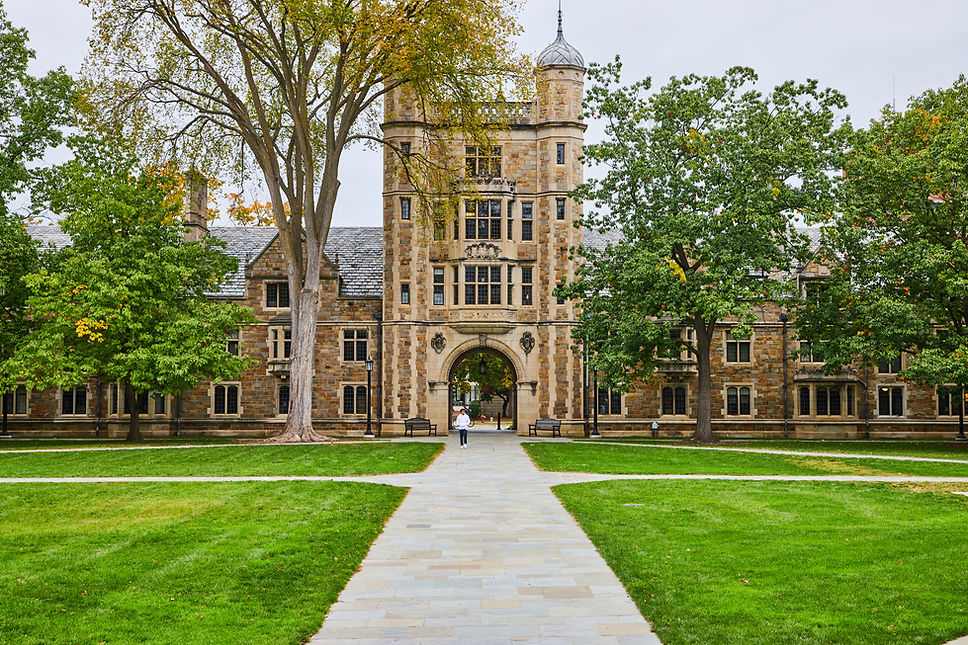
Mission

Research training should not depend on luck, proximity, or privilege.

JRC was built to expand access to serious mentorship and meaningful scholarly work while keeping relationships, growth, and patient-centered purpose at the center of the model. We care about rigor, but we believe rigor should be paired with clarity, mentorship, and access. JRC is mission-first and access-oriented, so participation is free and the model is designed to widen opportunity rather than make cost a gatekeeper.

What JRC is

A structured model for mentored oncology research and scholarly work.

JRC is a remote clinical oncology research collaborative built for students seeking serious research training, faculty seeking better-supported collaboration, and partners seeking a credible pathway into mentored oncology research.

Students enter through a staged public process, move into faculty-led teams, and develop through real contribution rather than superficial participation. The work is remote, but the expectations are real: communication, revision, accountability, and growth over time.

Faculty are not asked to absorb the full coordination burden on their own. JRC is designed to support matching, team organization, review flow, and day-to-day project clarity so faculty time can stay focused on scientific direction.

For schools and partner organizations, JRC offers a credible research pathway for students who may not have strong local access to mentored oncology research.

Match
Students are matched into faculty-led teams with attention to research fit, mentorship context, and real team capacity.
Manage
Project coordination, visibility, checkpoints, and internal review are structured so the administrative layer does not fall entirely on faculty.
Mentor
Lab leads, peer reviewers, and PIs work at different layers so students receive both practical support and higher-level scientific guidance.

How the program works

A staged process designed to make the work clearer for everyone involved.

The process is intentionally staged: a lighter first step, a deeper review for selected applicants, then structured matching, onboarding, and mentored project work.

  1. 1

    Step 1

    Apply

    Students begin with a brief public application that helps JRC assess readiness, communication, interests, and potential, not just prior polish.

  2. 2

    Step 2

    Interview and selection

    Selected applicants move into a deeper review so JRC can assess judgment, motivation, communication, and readiness for mentored team-based work.

  3. 3

    Step 3

    Matching and onboarding

    Accepted students are matched into PI-led teams based on research niche, goals, and mentorship context, then complete onboarding and intake.

  4. 4

    Step 4

    Project work and authorship

    Lab leads coordinate workflow, students develop ideas and drafts, internal review raises quality, and faculty provide scientific direction and final decisions.

For students

What students actually receive

Students receive structured access to clinical oncology research that may not exist locally, along with layered mentorship rather than one isolated faculty relationship. The goal is not to make research look impressive from a distance. The goal is to help students learn how serious work is actually done.

That means exposure to study design, analysis, drafting, revision, authorship workflows, and the kind of communication habits that make collaboration durable. Leadership grows through contribution, not title alone.

For faculty

What faculty and PI teams actually receive

Faculty and PI teams receive vetted students working within a more organized team structure, with lab-lead coordination and internal peer review before drafts reach the PI. The system is designed to support remote workflows that fit reviews, meta-analyses, and public-data clinical research.

Just as important, the model makes student participation more practical to sustain over time. Faculty guide scientific direction and final decisions while the coordination load is carried more responsibly around them.

For partners

For schools, advisors, and partner organizations, JRC offers a serious, mentored oncology research pathway they can confidently point students toward when local access is limited.

Research areas

Projects built for remote clinical oncology work.

Public-facing JRC materials consistently center oncology. Current activity spans medical oncology, surgical oncology, radiation oncology, and adjacent fields where remote, high-quality scholarly work can move meaningfully.

Projects are designed for remote execution and often include reviews, meta-analyses, public-data clinical studies, and other work that benefits from strong coordination and thoughtful revision.

  • Medical oncology
  • Surgical oncology
  • Radiation oncology
  • Oncology-adjacent fields

Next step

Start with the page that fits your role.

The public application is the front door for students. Faculty and partners can use the site to understand the model first, then move into more specific internal pathways as needed.